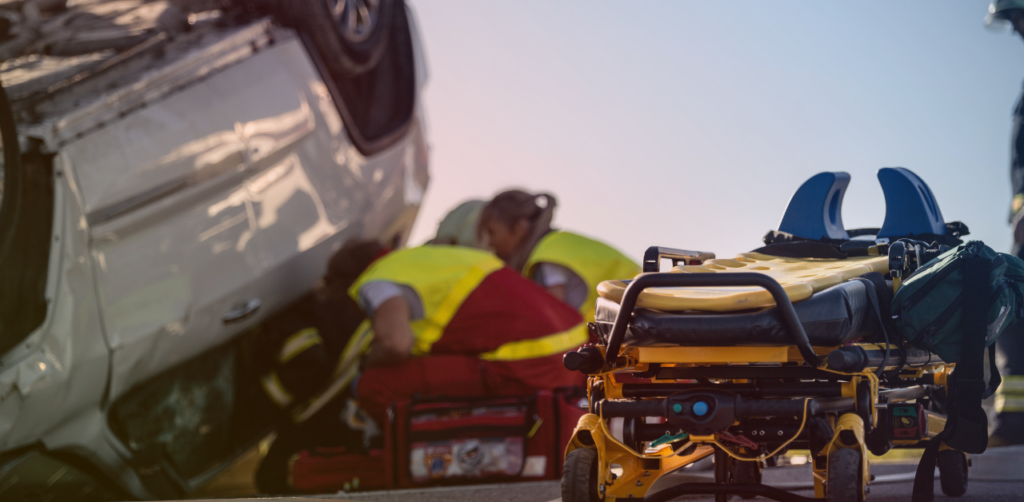
A Pasadena vehicle rollover accident lawyer investigates more than the final impact. The case may turn on why the vehicle tipped, what caused it to move sideways, who failed to prevent the crash, and how the injuries will affect future work and medical care. Driver negligence may be one part of the claim. A tire failure, unstable vehicle design, roof collapse, poor vehicle maintenance, another vehicle, or unsafe road conditions may also share responsibility.
Attorney Pius Joseph, a personal injury lawyer, has practiced for more than 30 years. Our firm has secured millions in settlements and reports favorable results in more than 90% of the personal injury cases it has handled. Each case depends on its own facts, and past results do not guarantee a similar outcome.
Why a Rollover Claim Is Not a Routine Car Accident Case
A rollover crash can involve several impacts in a few seconds. The vehicle may leave its lane, cross a shoulder, strike an external object, roll onto its side, and land on its roof. Occupants can be thrown against the interior, cut by broken glass, partially ejected, or trapped when the windshield frame or roof collapses.
That sequence creates legal issues that do not appear in every car accident. The investigation may require a review of driver behavior, tire condition, steering input, vehicle stability, seat belts, airbags, roof strength, roadway geometry, and emergency response records. Multiple parties can be held responsible when separate acts combine to cause the accident or worsen the physical injuries.
How Rollovers Begin: Tripped and Untripped Crashes
Rollover accidents generally fall into two categories. A tripped rollover starts when a vehicle slides sideways and its tires, wheels, or undercarriage catch on soft ground, uneven terrain, a curb, a guardrail, or another external object. The sudden lateral force can cause the vehicle to rotate and roll.
An untripped rollover can occur without contact with a curb or roadside object. Speeding, sharp turns, abrupt steering inputs, cornering forces, and a high center of gravity can make the vehicle unstable. Pickup trucks, sport utility vehicles, and vans may have different stability characteristics from lower passenger cars. NHTSA evaluates rollover resistance by measuring a vehicle’s top-heavy condition and its response during a severe driving maneuver.