
You can have strong brakes, clear mirrors, and safe driving habits, but your car still depends on four small contact patches to stay under control. Your tires are the only part of the vehicle that touches the road. If the tread is too low, the air pressure is off, or the rubber is worn out, your car can take longer to stop, slide on wet roads, and react poorly in a sudden emergency.
At the Law Offices of Pius Joseph, we have seen how bad tires can turn an ordinary trip into a serious crash. We bring more than 30 years of experience to personal injury cases, and Attorney Pius Joseph, a personal injury lawyer, has helped recover millions in settlements. We have also won personal injury cases at a high rate, including many claims involving unsafe road conditions, vehicle safety issues, and preventable wrecks.
If a tire problem or a tire-related crash changed your life, contact us for a free consultation and a clear review of what comes next.
What Makes Tires Safe Enough for Daily Driving?
Safe tires do more than hold air. They help your car grip the road, handle turns, stop in time, and stay steady when road conditions change. A tire may look fine at a glance and still create a safety risk.
A safe tire usually has:
- Good tread with enough remaining tread to grip the road
- Proper tire pressure based on the loading information label or owner’s manual
- Even wear across the tire tread
- No exposed cords, cuts, bulges, or foreign bodies
- The right tire size, speed rating, and maximum load rating for the vehicle
- A proper match for the season and the way the vehicle is used
Many drivers focus only on tread depth. That matters, but tire safety depends on the tire’s condition. Underinflated tires, uneven tread wear, and old rubber can all affect your car’s performance. The same is true for overinflated tires, damaged sidewalls, and tread separation.
For passenger vehicles and light trucks, safe tires also support better fuel economy, safer traction, and improved steering wheel response. When tires are in poor shape, the vehicle may drift, shake, or feel loose during turns or braking.
How Can You Tell If Your Tread Depth Is Too Low?
Tread depth is one of the easiest ways to check if your tires are safe. Tire tread pushes water away from the contact patch, helping prevent hydroplaning and improving traction on wet roads. As tread wear builds up, the tire loses that ability.
One common check is the penny test. Place a penny into the tread groove with Lincoln’s head upside down. If you can see all of Lincoln’s head, your tire tread depth is too low, and it may be time to replace your tires. Many drivers use this quick method because it is simple and easy to remember.
Still, the penny test should not be your only check. Tires also have wear bars built into the tread. When the tread is worn down to the point that the wear bars look level with the tread surface, the tire is close to the end of its tread life.
Look at more than one spot on at least one tire. Check the front tire, rear tire, and both outer and inner edges. Uneven wear patterns can hide low tread in one area while another part of the tire still looks usable.
If the remaining tread is low, the stopping distance can increase. Your car may also lose control faster on wet roads, especially during quick lane changes or sudden braking.
Why Does Tire Pressure Matter More Than Many Drivers Think?
Tire pressure affects far more than comfort. It plays a direct role in vehicle safety, tire wear, fuel economy, and on-road performance.
Low tire pressure can cause underinflated tires to flex too much. That extra heat can damage the tire’s internal structure and increase the risk of a blowout. Underinflated tires also wear faster at the edges and can make the car feel sluggish in turns.
Too much air pressure can create problems of its own. Overinflated tires may reduce contact with the road and cause the center of the tread to wear down too quickly. That can limit safe traction and make the ride harsher.
You should check tire pressure with a tire gauge, not by looking at the tire. Modern vehicles often include tire pressure monitoring systems, but those systems are a warning tool, not a full inspection. They may alert you to low tire pressure after the pressure has already dropped below a safe level.
For accurate air pressure, follow the loading information label on the driver’s side door area or the owner’s manual. Do not rely on the number printed on the tire sidewall in everyday settings. That number often reflects the maximum pressure, not the proper level for your vehicle.
Regularly checking tires can help you spot pressure problems before they become dangerous.
What Do Uneven Wear Patterns Say About Your Car?
Uneven tread wear tells a story. In many cases, it points to another problem with the vehicle.
Common wear patterns include:
- Center wear: Often linked to too much air pressure
- Edge wear: Common with underinflated tires
- One-sided wear: May point to wheel alignment issues
- Cupping or patches: Can be tied to suspension problems
- Uneven wear across multiple tires: May relate to missed tire rotation or balance issues
Uneven wear patterns matter because they reduce predictable handling. A tire with uneven wear may not grip the road evenly, especially in rain or during emergency maneuvers. The steering wheel may vibrate, the car may pull to one side, and the tires may wear out much sooner than expected.
Regular tire rotation helps evenly distribute wear across all four tires. A tire shop can also inspect alignment, suspension, and balance. If the front tire wears differently from the rear tire, the cause may not be apparent without a closer look.
Good tires should wear evenly and steadily. If one tire looks much worse than the others, treat it as a warning sign.
Are New Tires Always the Right Answer, or Do You Need the Right Tires?
New tires are not always enough on their own. You also need the right tires for your vehicle, your driving habits, and the climate where you drive.
Tire manufacturers design tires for different uses. Some focus on all-season tires for year-round driving. Others build winter tires for snow performance and cold-weather grip. Summer tires can perform well in warm temperatures, while some models offer more off-road capability for trucks and rough terrain.
The wrong tires can reduce traction and affect the car’s performance, even if they are brand new. Tire size, speed rating, load capacity, and intended use all matter. A mismatch can affect braking, turning, and ride stability.
If your vehicle needs four matching tires, avoid mixing random replacements. Using the same size and type across all four tires often supports more balanced handling. On some vehicles, an odd tire can change how the car responds in the rain, during turns, or under sudden braking.
A trusted tire shop can help you compare good tires for your vehicle. Still, the final choice should match the owner’s manual and the vehicle’s factory recommendations.
How Do Worn Tires Raise the Risk of Tire-Related Crashes?
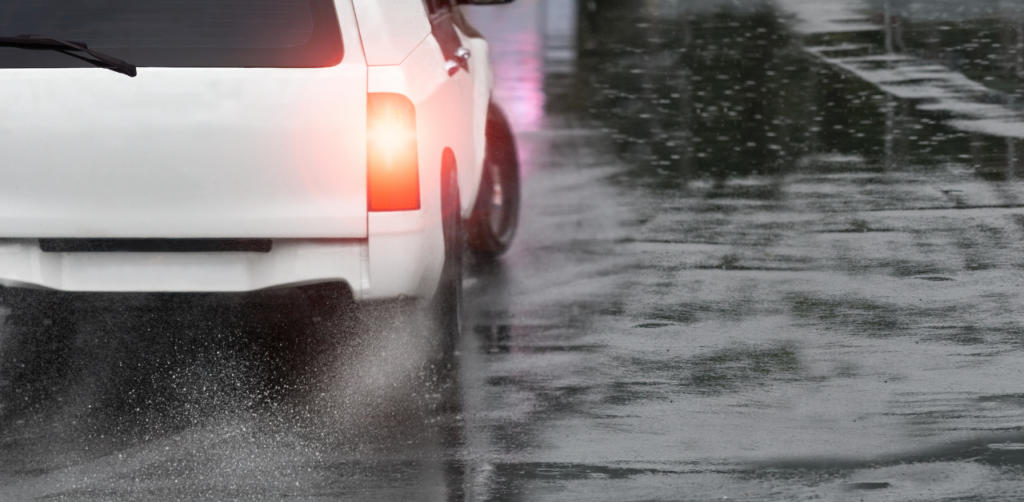
Worn tires can turn a manageable road situation into a crash. On dry roads, they can increase stopping distance. On wet roads, they can lose grip and slide over standing water. In severe cases, tread separation or a blowout can cause the driver to lose control in seconds.
Tire-related crashes often involve:
- Poor traction during hard braking
- Loss of control during a turn
- Hydroplaning in heavy rain
- Blowouts linked to low tire pressure or damage
- Tread separation at highway speed
- Reduced ability to avoid other vehicles in an emergency
A damaged tire can also make it harder to keep the vehicle stable when traffic stops suddenly. If a driver slams the emergency brake, worn tires may not grip the road as well as good tires should.
These risks become more serious when the vehicle is carrying more weight, traveling at high speed, or moving through changing road conditions. If the tires are already weak, heat and stress can push them past the breaking point.
What Tire Checks Should Be Part of Your Monthly Routine?
A quick monthly check can lower the chance of driving on bad tires. It does not take long, and it can help you catch problems early.
A basic tire safety routine should include:
- Check tire pressure with a tire gauge when the tires are cold
- Look at the tire tread and tread depth across several points
- Inspect for bulges, cuts, cracks, nails, or other foreign bodies
- Watch for uneven tread wear or wear bars
- Confirm that all four tires are the same size and suited for the vehicle
- Review tire age and general condition during service visits
- Rotate tires on schedule
- Ask about wheel alignment if the car pulls or the steering wheel shakes
Also, pay attention to how the car feels. A change in steering, braking, or road noise can point to a tire issue. If the car feels unstable, do not assume it will fix itself.
What If Another Driver’s Bad Tires Caused Your Injury Crash?
Unsafe tires are not just a maintenance issue. They can become a negligence issue. If another driver ignored worn tires, low air pressure, or obvious damage and caused a wreck, that may support a personal injury claim.
In some cases, the problem may go beyond the driver. Liability can involve:
- A vehicle owner who failed to maintain the car
- A commercial operator that sent out unsafe vehicles
- A repair shop that performed poor work
- A tire shop that installed the wrong tires
- A tire manufacturer, if there was a defect
- A distributor of a dangerous product reached the road
Evidence can include photos of the tires, service records, inspection reports, crash scene evidence, and expert analysis. If tread separation, uneven wear, or a blowout played a role, early investigation matters.
After a crash, keep records of your injuries, medical care, missed work, and repair estimates. If possible, preserve the vehicle and the tires before major repairs or disposal. That physical evidence can become important later.
Why Turn to the Law Offices of Pius Joseph After a Crash Linked to Unsafe Tires?
A tire-related case can involve more than one cause. The issue may start with bad tires, but the legal picture can include maintenance failures, poor inspections, defective products, and unsafe driving decisions. That is why these cases need close attention from the start.
At the Law Offices of Pius Joseph, we know how to build injury claims around real evidence and clear facts. Attorney Pius Joseph, personal injury lawyer, brings three decades of experience to these cases. We take a practical approach. We review tire condition, maintenance history, crash facts, and the full impact of the injuries. Then we push for accountability from the people or companies that helped create the danger.
If you were hurt in a crash involving worn tires, underinflated tires, tread separation, or another tire safety problem, reach out for a free consultation. We can help you understand your options and what steps may protect your claim.
Injured in a Crash Linked to Unsafe Tires? Get a Free Consultation Today
Safe driving starts long before you turn the key. It starts with tires that can grip the road, respond to traffic, and support the car when something goes wrong. If your tires are worn, uneven, or poorly inflated, the risk is real. If someone else ignored those same dangers and caused your injuries, the cost can be much higher than a set of new tires.
The Law Offices of Pius Joseph helps injured people make sense of what happened and take action with confidence. For a free consultation, contact our office today.