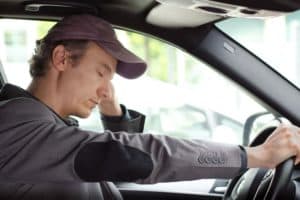
At 7:15 a.m. on the Monday after clocks spring forward, the road may look normal. Drivers still merge, brake, and rush toward work. Yet many are doing it with one hour less sleep, slower reaction time, and internal clocks that have not caught up. That is why time changes lead to drowsy driving in ways many drivers do not notice.
At Law Offices of Pius Joseph, we see how one tired decision behind the wheel can leave another person with bills, missed work, and pain. Attorney Pius Joseph, personal injury lawyer, brings more than 30 years of experience to injury cases. Our firm has recovered millions in settlements and has won personal injury cases at a 90% success rate. Past results do not promise the same outcome, but they show the preparation we bring when a crash needs answers.
If a tired driver hits you after the time change, call us before the insurance company calls a fatigue crash a simple “accident.”
California Dreaming Can Be Deadly on the Roads
Last year alone, California officials reported 5,447 collisions, of which 40 traffic-related fatalities occurred due to sleepy or drowsy drivers. Across the nation, law enforcement agencies report that an estimated 100,000 car accidents occur every year as a result of fatigue, leading to approximately 71,000 injuries, 1,500 fatalities, and a cost of $12 billion.
Forty percent of Americans surveyed say they have nodded off at the wheel, according to a March 5, 2015, Sacramento CBS News article by the American Automobile Association and the National Sleep Foundation.
Why One Lost Hour Can Make the Morning Drive Riskier
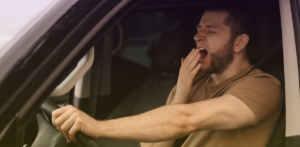 Daylight saving time does more than move the clock. It changes when the body expects light, rest, food, and movement. When clocks spring forward, many people lose even a single hour of sleep. For drivers who already carry sleep debt from long hours, shift work, parenting, school, or stress, that loss can become a bigger safety threat than most people realize.
The body runs on a circadian rhythm. After the time change, internal clocks may still be on the old schedule, even though work, school, and traffic move to the new one. The result can be reduced alertness during the morning commute, especially in the first few days after the spring forward shift.
Danger does not start only when a driver falls asleep. A driver can stay awake and still be unsafe. Drowsy driving weakens driving ability before sleep happens. The driver may drift, miss brake lights, or make more mistakes at intersections.
How Drowsy Driving Changes Reaction Time Before a Driver Knows It
Drowsy driving sneaks into ordinary decisions. A tired driver may not realize how slow the brain has become. Sleep deprivation can cause delayed reactions, impaired judgment, poor decision-making, and slow reaction times. Those problems matter behind the wheel.
A rested driver sees brake lights and responds quickly. A severely drowsy driver may see the same brake lights late, press the brake too softly, or swerve without checking the next lane. At freeway speed, a short delay covers a long distance. That is why drowsy-driving crashes often appear sudden. In some cases, the drowsy driver result is a rear-end crash, a lane departure, or a head-on collision.
Drowsy driving can also resemble drunk driving. Both can reduce attention and make the driver less able to respond to danger. The National Sleep Foundation has warned that lack of sleep creates serious road risks. The safest choice is simple. Do not drive drowsy when your body is asking for sleep.
What Crash Data Shows After Daylight Saving Time
The risk is not just a groggy feeling. Traffic safety data connects sleep loss with crashes. The National Highway Traffic Safety Administration has estimated that drowsy drivers were involved in 91,000 police-reported crashes in 2017, with about 50,000 injuries and nearly 800 deaths. NHTSA also notes that drowsy driving is likely underreported because police cannot test fatigue the same way they can test alcohol.
The AAA Foundation for Traffic Safety has reported that drowsy drivers are involved in an estimated one in six fatal crashes, one in eight crashes that send someone to the hospital, and one in fourteen crashes where a passenger vehicle must be towed. Those numbers show why drowsy driving belongs in the same public health conversation as drunk driving, speeding, and distraction.
The time change adds another layer. A peer-reviewed Current Biology study found that the spring daylight saving time transition was associated with a 6% increase in the risk of fatal traffic accidents during the workweek following the time change. Researchers estimated that about 28 fatal accidents per year could be prevented without the spring transition.
Not every crash after daylight saving time is due to fatigue. Speed, distraction, weather, and alcohol may also play a part. Still, when a crash happens shortly after clocks forward, driver fatigue should not be ignored.
Which Drivers are Most at Risk?
It might surprise you to learn that younger people are more prone to falling asleep at the wheel than older people. The National Sleep Foundation 2002 poll found the following:
- Those between 18 and 29 are more likely to drive drowsily compared to others
- Men (56%) are more likely than women (45%) to drive drowsily (56% vs. 45%) and are two times more likely than women to fall asleep while driving
- Parents with kids (59%) still living at home are more likely to drive drowsy as those without children (45%)
- Those who work a 2nd or graveyard shift are more likely than those who work a regular 9-to-5 type schedule to drive from work drowsy
- Sleep deprivation also heightens the risk of a car crash
Signs the Other Driver Was Too Tired to Be Behind the Wheel
After a crash, injured people often ask how anyone can prove another driver was tired. There may not be a breath test, but evidence can still tell the story.
Common signs include a crash with no skid marks, drifting across lanes, hitting a parked car or guardrail, running a red light, or failing to brake in traffic. Statements also matter. A driver who says they “dozed off,” “nodded,” “blanked out,” or “only closed their eyes for a second” may have admitted more than they realized.
Phone records, work schedules, delivery logs, rideshare records, medical records, and witness statements can also help. A driver who worked long hours, drove overnight, started a shift too early after the spring forward change, or had little rest may have placed others at risk. For commercial drivers, evidence of fatigue may include hours-of-service records, dispatch timing, GPS data, and employer pressure.
Did the driver buy coffee minutes before the crash? Did an alert passenger warn them to pull over? Did the crash happen during peak sleepiness hours? These details can help show fatigue rather than a harmless mistake.
How We Build a Drowsy Driving Claim
A time-change crash needs more than a general claim that the other driver looked tired. At our firm, we look for proof that connects the driver’s fatigue to the crash. We also look at the full harm. A drowsy driving crash can cause emergency bills, surgery, therapy, lost wages, reduced future income, pain, sleep problems, and loss of daily independence. Insurance companies often focus on the first medical bill. We look at how the injury affects the person’s life after the claim starts.
Our role is to keep the case grounded in facts. The science and records can show why one hour added to existing sleep loss can leave drivers less safe. When needed, we prepare a case for negotiation or trial with one question in mind: what would a careful driver have done before getting behind the wheel?
How to Plan Ahead Before the Next Time Change
1. Adjust Your Sleep Schedule Before Clocks Change
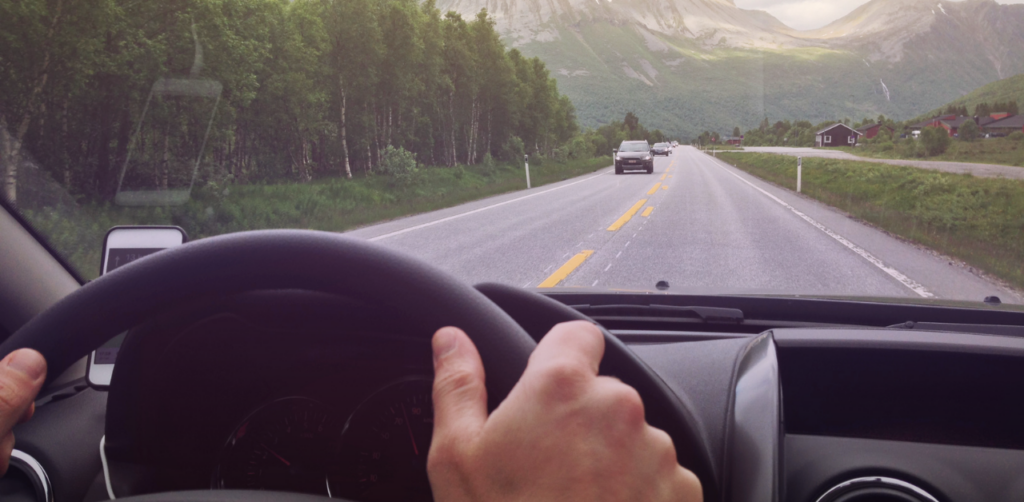
Drivers can reduce risk before daylight saving time begins. Start a few days early. Go to bed 15 to 20 minutes earlier each night to slowly adjust. Keep a steady wake time. Get morning light. Avoid alcohol before bed. Skip heavy meals late at night. Limit screens near bedtime.
2. Aim for Enough Sleep to Support Safe Driving
Adults should aim for at least seven hours of sleep, and many sleep groups recommend seven to nine hours for most adults. A good night’s sleep is not a luxury for drivers. It is part of traffic safety.
3. Stay Alert and Plan Smart on the Road
On the road, plan ahead. Avoid driving if you feel tired, especially during peak sleepiness hours. Take breaks on long trips. Switch drivers when possible. Let an alert passenger speak up if your eyes droop or your lane position changes. If you cannot stay alert, stop in a safe place. A short nap is better than a crash. Caffeine may help for a short time, but it does not replace adequate sleep.
Speak With Law Offices of Pius Joseph After a Fatigue-Related Crash
The time change does not excuse unsafe driving. A person who chooses to drive while severely drowsy can put everyone nearby at risk. When that choice causes injuries, the claim should focus on proof, timing, and the real cost of recovery.
You do not need to know every legal rule before asking for help. You only need to know that the crash changed your health, work, or daily life. Law Offices of Pius Joseph can review what happened and explain your options in plain English.
If you were hurt in a crash after daylight saving time or any fatigue-related collision, contact Law Offices of Pius Joseph for a free consultation. We will help you sort the facts before the insurance company decides the story for you.