A safer road policy sounds distant until a distracted driver runs a light, a speeding vehicle crosses the center line, or a drunk driver leaves a family waiting in an emergency room. That is why the latest NHTSA road safety direction matters. It is not only about federal agencies, safety programs, or public service campaigns. It is about stopping preventable crashes before they happen and helping injured people recover when prevention fails.
At our firm, Attorney Pius Joseph, a personal injury lawyer, brings more than 30 years of experience to roadway injury cases. We have secured millions in settlements, and our record includes winning 90% of personal injury cases. Those trust signals matter because crash victims need more than sympathy. They need clear answers, strong evidence, and a legal team that understands how driver behavior, highway safety, and federal safety priorities can affect a claim.
Call us before the insurance company turns a serious crash into a paperwork problem. Your first consultation is free, and we can help you understand what the evidence says.
Why NHTSA’s Road Safety Reset Matters to Injured Families
NHTSA’s Pathways to Safer Streets initiative aims to reduce traffic deaths through stronger partnerships, more proactive traffic enforcement, better safety messaging, and a single coordinated system that connects state highway safety offices, law enforcement, federal agencies, and local partners. NHTSA described the plan as a data-driven roadmap aimed at impairment, speeding, distraction, and lack of seat belt use.
For crash victims, this matters because these are the same behaviors that often appear in personal injury claims. A police report may list speeding. Phone records may show distracted driving. Toxicology results may point to impaired driving. A seat belt dispute may affect how an insurer values injuries. Road safety policy does not replace a legal claim, but it often helps explain why a crash was predictable and avoidable.
The New Data Shows Progress, but Not Safety Yet
Recent data gives the nation a mixed picture. NHTSA estimated 36,640 traffic fatalities in 2025, a 6.7% decrease from 2024. The agency also reported a fatality rate of 1.10 deaths per 100 million vehicle miles traveled, the second-lowest recorded rate. Still, 39,254 people died in traffic crashes in 2024, with a fatality rate of 1.19 per 100 million vehicle miles traveled.
That decline is real progress, but the number remains painful. Tens of thousands of people still die on the nation’s roadways each year. Many more suffer serious injuries, lost wages, surgeries, and lasting pain. Families should not hear “traffic deaths are down” and assume the roads are safe. A lower number does not erase the duty of drivers, trucking companies, vehicle owners, and public entities to prevent crashes.
NHTSA Is Targeting the Behaviors Families See in Real Crash Claims
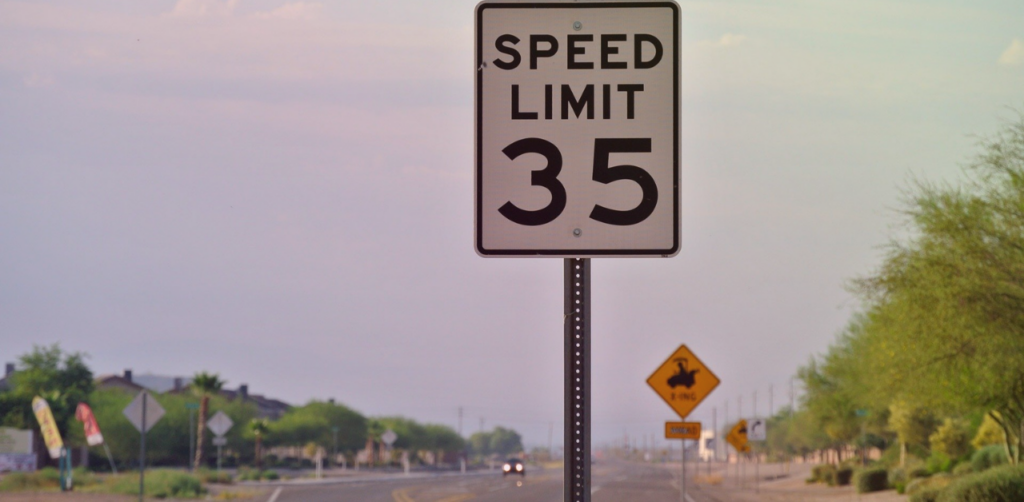
NHTSA’s plan focuses on the human choices behind many fatal crashes. The agency identified impairment, speeding, distraction, and lack of seat belt use as major causes of roadway deaths. It also said high-visibility enforcement campaigns such as Put the Phone Away or Pay and Drive Sober or Get Pulled Over combine enforcement with education.
That focus matches what many injured people already know. Some of the negligent driver behaviors involved:
- The driver’s unsafe decision.
- A driver checks a text.
- Someone drives after drinking.
- A motorist treats a public street like a racetrack.
- Another ignores a seat belt
These choices may seem ordinary until they cause a fatal crash, a brain injury, a spinal injury, or a life-changing fracture.
For victims, the issue is not only what happened. The issue is proving why it happened. Evidence may include traffic camera footage, vehicle data, witness statements, crash reconstruction, medical records, alcohol testing, and phone records. A strong claim connects that evidence to the unsafe behavior that caused harm.
Seat Belt Use and Child Passenger Safety Remain Part of the Bigger Picture
NHTSA continues to focus on occupant protection because seat belts and child car seats save lives. Research shows that nearly 50% of vehicle occupant fatalities involve people who did not wear a seat belt. It also noted that properly used child car seats reduce fatal injuries by 71% for infants and by more than 50% for toddlers, while nearly half of car seats are installed incorrectly.
These facts matter after a crash. Insurance companies may try to shift blame onto an injured person by raising seat belt use. Parents may face questions about child car seats. Still, those issues do not give a careless driver a free pass. A speeding, drunk, or distracted driver can still be liable for the harm they caused. The facts must be reviewed carefully, not used as a shortcut to deny a valid claim.
Distracted Driving Is Still Hard to Prove and Too Easy to Hide
Distracted driving has become one of the most common traffic safety problems. NHTSA reported that 3,208 people were killed and more than 315,000 were injured in crashes involving a distracted driver in 2024. The agency also warned that distraction is difficult to document after a crash, so the true impact is likely higher.
That last point is important for injured people. A driver rarely admits, “I was texting.” The evidence may come from small details. Skid marks may be missing. A vehicle may drift without braking. A witness may see a phone in the driver’s hand. A crash may occur in slow traffic, even when a careful driver has time to stop. When needed, phone records and other evidence can help show what the driver was doing before impact.
Post-Crash Care Is Now Part of Road Safety
NHTSA’s plan also looks beyond preventing crashes. The agency has placed more attention on post-crash care, including prehospital blood programs. According to NHTSA, 43% of people who die in traffic crashes are still alive when first responders arrive. The agency also cited research showing that prehospital blood transfusions can reduce mortality by 37% for trauma patients with severe bleeding.
That focus matters because the minutes after a crash can shape the rest of a person’s life. Emergency response records, trauma care records, ambulance records, and hospital records may all become part of a personal injury case. These records can show the seriousof injuries, the speed of medical decline, and the cost of care needed for recovery.
State Highway Safety Offices May Shape Local Road Safety Results
Road safety progress does not happen only at the national level. NHTSA has said state highway safety offices serve as hubs for safety programs across states and jurisdictions. The agency also described data deep dives, dashboards, a Promising Practices Repository, and a state program hub designed to help states use crash, roadway, census, and EMS data more effectively.
This matters for local communities, rural areas, and Tribal Nations. Some places experience higher roadway fatalities due to road design, long emergency response times, limited enforcement, or dangerous corridors. Better data can help identify where high-visibility enforcement, safer streets, highway safety improvement program funding, or technical assistance should go first.
How Our Law Firm Uses Road Safety Data to Build a Stronger Claim
A federal road safety plan will not pay medical bills on its own. A personal injury claim still requires proof. That is where legal work matters.
We look at the same basic safety issues NHTSA tracks: speeding, impaired driving, distracted driving, occupant protection, roadway hazards, and post-crash care. Then we connect those facts to liability and damages. In a serious crash, that may mean reviewing police reports, medical records, crash scene photos, traffic signal timing, vehicle damage, black box data, witness accounts, and insurance coverage.
This approach helps show the full story. The case is not just about a damaged vehicle. It is about a preventable event, a clear cause, and the human cost that follows.
Safer Roads Still Depend on Accountability
NHTSA’s latest direction shows that road safety cannot depend on a single campaign, agency, or driver. Reducing traffic fatalities takes safer vehicles, better data, stronger enforcement, improved post-crash care, and everyday choices that protect every road user.
Still, when someone breaks the rules and causes harm, accountability matters. The Law Offices of Pius Joseph helps injured people and families turn facts into action. If a traffic crash changed your health, your work, or your family’s future, contact us for a free consultation.